Expert Insights: Partner Jon Powell on Cybersecurity Preparedness and Response
October 1, 2024
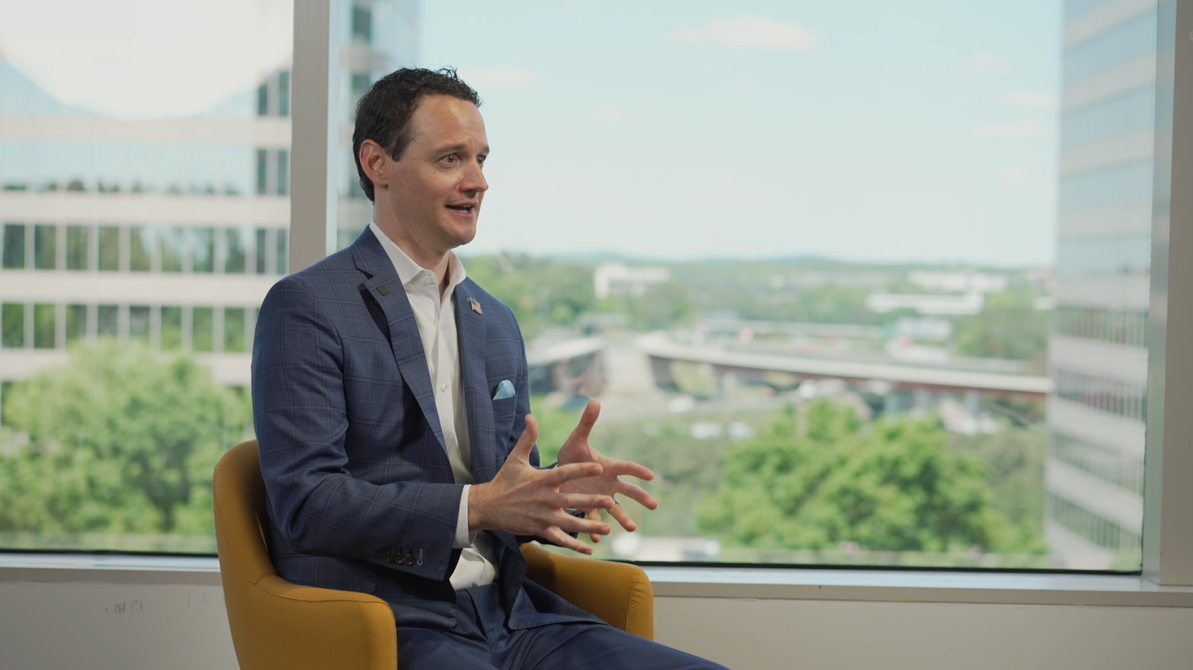
Watch our interview with Partner Jon Powell as he discusses cybersecurity threats and the controls businesses can implement to help protect themselves.
Read the Transcript
[Jon Powell]
00:00:02
We all face cybersecurity threats, both in our personal lives as well as our business lives. Some of the easiest things that we can do to protect ourselves include the use of good passwords, but, most importantly, the use of multi-factor authentication or MFA.
00:00:15
The next thing that we want to be sure that we have good controls around are our backups and being sure that we’ve got what are known as immutable backups.
00:00:21
We also wanna be sure that we’ve got a good patching process in place so that if our systems are compromised or are breached, that our patch levels are up to date and it makes them that much harder to exploit.
00:00:32
Additionally, policies and procedures. Now, I know that these don’t sound very exciting, but if we don’t have an incident response plan in place, if we don’t have a business continuity plan in place and we haven’t thought about these things or tested them, we’re just as vulnerable if even if we have MFA in place, good backups and patching.
00:00:46
Some common misconceptions that businesses can have is that I’m too small, nobody’s gonna come after me, or I can achieve absolute security if I throw enough money at a problem. And both of those are untrue. Whenever I’m asked about emerging trends in cybersecurity or, ‘Hey, what’s the latest? What’s going on there?’ What we’ll see is we’ll see AI both on the defensive side to protect ourselves as well as we’ll see it on the attack side. So the two are just gonna continue to be in kind of an arms race.
00:01:12
Fortunately, or unfortunately, in the world we live in today, it’s not if but when you have a breach. The primary consequences of a cybersecurity breach are gonna be financial and they’re gonna be reputational.
00:01:22
The financial costs associated with recovering from a cybersecurity breach are gonna include costs associated with figuring out what happened, recovering our data. We might have to pay a ransom or we might just have to go to backups. And finally, you may need to pay for credit monitoring depending on if that was an issue associated with the breach. And obviously any insurance payouts.
00:01:40
The reputational risks of a cybersecurity breach are gonna include the potential for lost revenue. We may lose customers or clients because of that or because when they find out we have a breach, they may say, ‘I don’t wanna do business with you anymore.’
00:01:50
I think we’ve gotten to the point where if we do a good job of documenting what happened, we can lessen that reputational risk. The financial risk is still gonna be what it is, and the financial costs are still gonna be what they are, but following those things really should lessen the reputational impact.
Disclaimer: This content is provided for informational purposes only and reflects information available as of the date of publication. It does not constitute legal, tax, accounting, or other professional advice. Please consult a qualified professional before taking action based on this content.